

Entry-Level Gaming Chairs Face New Expectations for Office Use in New Year 2026, According to AndaSeat
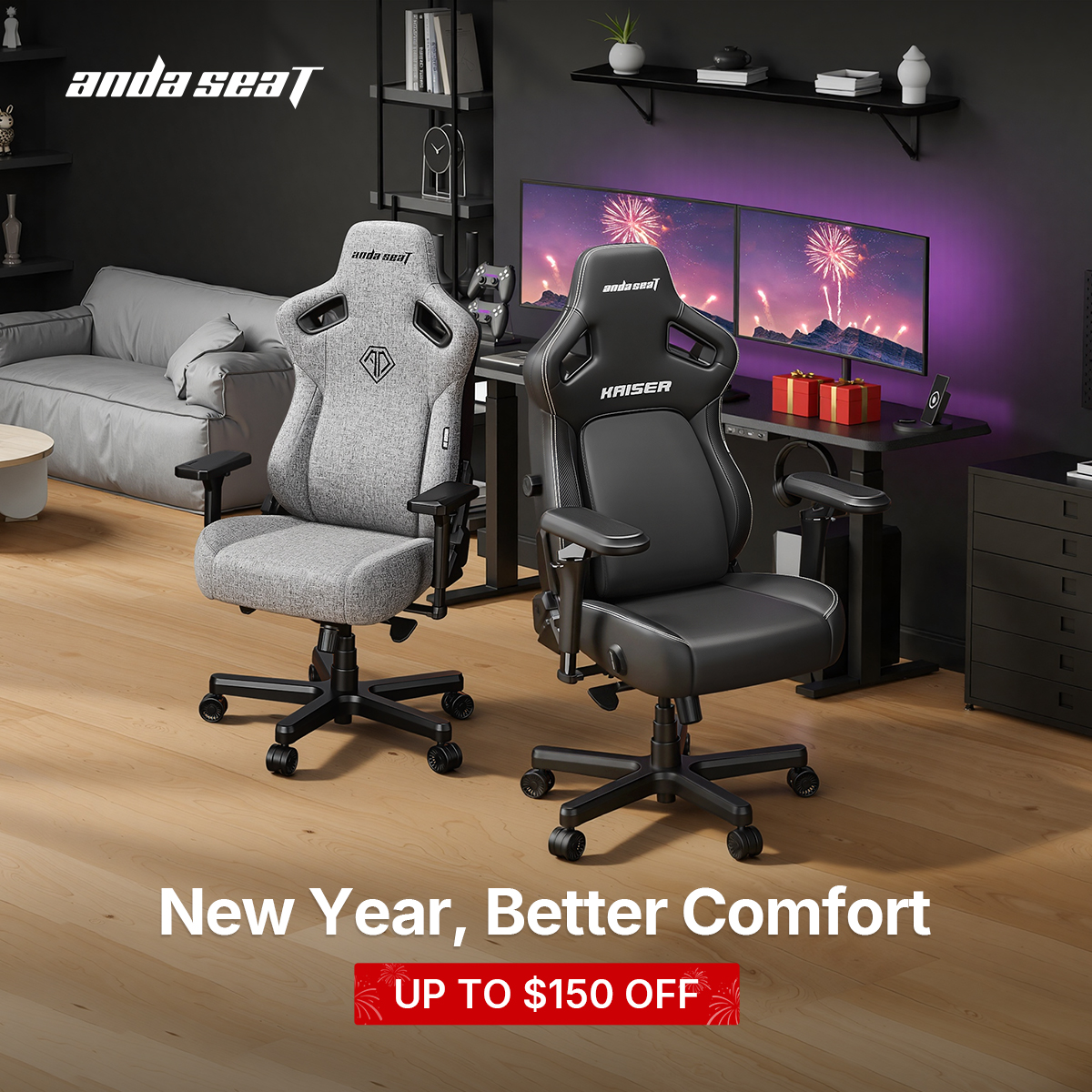
2026 New year AndaSeat Kaiser 3E
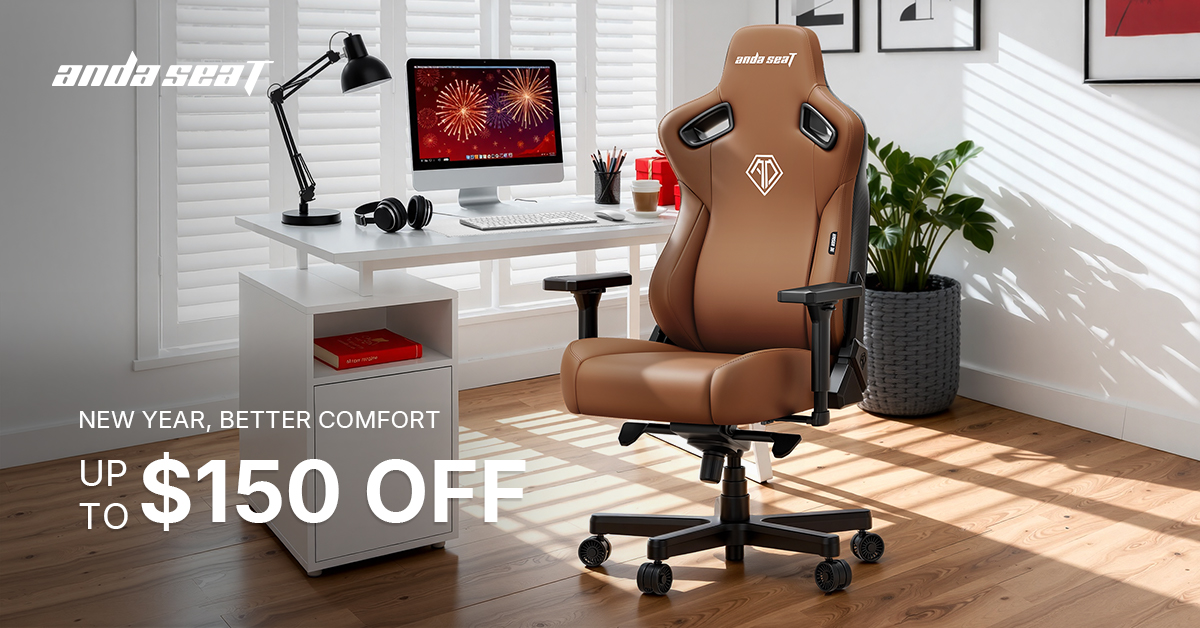
2026 New year AndaSeat Kaiser 3E Brown
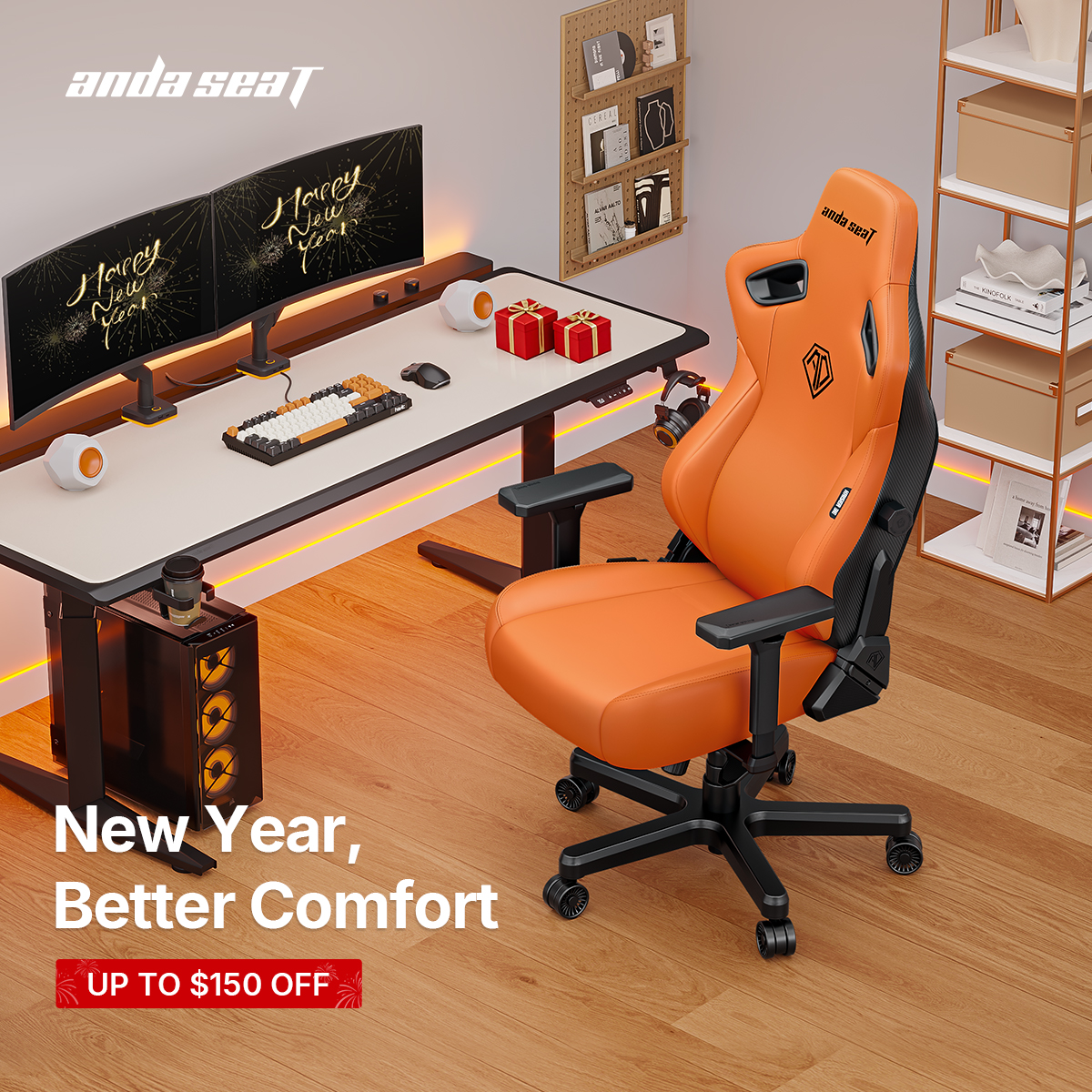
2026 New year AndaSeat Kaiser 3E Orange
Entry-Level Gaming Chairs Face New Expectations for Office Use in New Year 2026, According to AndaSeat
SPOKANE, WA, UNITED STATES, January 6, 2026 /EINPresswire.com/ -- As the new year begins, extended sitting continues to define daily routines for a growing number of people across work, study, and leisure environments. Industry observations and consumer research published over the past year indicate that long-hour sitting is no longer limited to professional office settings or competitive gaming. Instead, it has become a common condition for students, remote workers, and hybrid users who spend sustained periods seated in front of screens throughout the day.This shift has prompted a broader reassessment of how seating is evaluated. Buyers are no longer categorizing chairs strictly as “gaming” or “office” products. Instead, discussions increasingly focus on whether a gaming chair for office use can deliver consistent long-hour sitting comfort, stable lumbar support, and structural reliability across multiple daily scenarios. These questions have become especially prominent at the start of the year, when users reassess home office setups and consider replacing seating that no longer meets their needs.
Within this evolving landscape, entry-level ergonomic seating has emerged as a focal point of comparison. Rather than prioritizing aesthetic elements or short-term softness, users are weighing price accessibility alongside functional durability and ergonomic fundamentals. This context has shaped how certain seating designs are positioned and understood in the market, including models that adapt established platforms into more accessible forms.
Long-Hour Sitting and Changing Evaluation Criteria
Recent market analysis suggests that long-hour sitting comfort has become one of the primary benchmarks by which seating is judged. For users spending eight hours or more seated each day, comfort is no longer defined by initial cushioning alone. Instead, attention has shifted toward how a chair maintains support over time, how pressure is distributed across the seat and backrest, and how consistently lumbar contact is preserved throughout extended use.
In this context, lumbar support stability has emerged as a recurring concern. User feedback across multiple seating categories indicates that detachable pillows and loosely positioned supports often require frequent adjustment during long sessions. As a result, built-in lumbar structures are increasingly viewed as a more reliable solution for maintaining posture during sustained sitting.
These considerations have influenced how buyers approach the gaming chair vs office chair comparison. Rather than asking which category is better, users are examining how specific design elements perform under real-world conditions. This includes how well a chair supports neutral spinal alignment, how it responds to subtle posture changes, and whether it remains comfortable across both focused work and casual use.
Entry-Level Seating in Hybrid Work and Gaming Environments
Hybrid work and gaming setups have further blurred traditional seating distinctions. Many users now expect a single chair to support professional tasks during the day and recreational activities in the evening. For this group, the appeal of entry-level ergonomic chairs lies in their ability to balance affordability with dependable performance.
Market research indicates that first-time buyers and budget-conscious users often prioritize chairs that require minimal configuration while still providing essential ergonomic support. Simplicity, in this sense, is not viewed as a limitation but as an advantage. Chairs that offer intuitive support without complex adjustment systems are often preferred by users transitioning from basic seating or non-ergonomic alternatives.
Within this segment, pricing is considered alongside functional longevity. Rather than responding to promotional messaging, buyers tend to assess whether an entry-level chair can realistically support long-hour sitting over months or years of daily use. This has influenced how certain models are evaluated during seasonal purchasing periods, including the start of the year, when adjusted price positioning draws attention from users reassessing their setups.
Integrated Support as a Response to User Feedback
Integrated lumbar support has become a key area of focus in response to these trends. Observational studies in seating ergonomics suggest that built-in lumbar contours can reduce the need for frequent readjustment, particularly during long sessions. By maintaining consistent contact with the lower back, integrated designs aim to support natural spinal curvature without relying on external components.
The AndaSeat Kaiser 3E reflects this approach through its fixed lumbar structure, which is designed to provide continuous support during extended sitting. Rather than offering adjustable or detachable lumbar elements, the chair incorporates a raised lumbar profile directly into the backrest. This design choice aligns with feedback indicating that many entry-level users prefer stable, always-on support over customizable but maintenance-intensive solutions.
From an ergonomic comparison perspective, this approach addresses common concerns raised by users evaluating gaming chairs for office use. Consistent lumbar engagement is often cited as a critical factor in maintaining comfort during prolonged desk work, particularly for individuals who may not adjust their seating frequently throughout the day.
Structural Reliability and Long-Term Use Considerations
Beyond lumbar support, structural durability plays a significant role in how entry-level chairs are perceived. Market observations indicate that users often associate lower price points with reduced lifespan, leading to hesitation even when ergonomic features appear adequate.
To address this concern, some manufacturers have focused on retaining core structural elements while simplifying peripheral features. In the case of the Kaiser 3E, this includes maintaining a steel internal frame and reinforced base components designed to support long-term daily use. These elements are often highlighted by users as indicators of reliability, particularly when compared with lightweight or plastic-framed alternatives.
Structural stability is closely tied to long-hour sitting comfort. Chairs that flex excessively or degrade over time can compromise posture and increase discomfort during extended use. As such, durability is increasingly viewed as an ergonomic consideration rather than a purely mechanical one.
Price Positioning as Part of the Decision Context
While ergonomic performance remains central, pricing inevitably influences purchasing decisions, especially within the entry-level segment. Industry discussions suggest that buyers consider price not as an incentive but as a boundary condition within which ergonomic expectations must be met.
At the beginning of the year, some seating models enter the market at adjusted price points, reflecting broader seasonal purchasing behavior. Publicly available product information indicates that the Kaiser 3E is positioned at a lower entry price than earlier versions of the Kaiser 3 platform. For some buyers, this positioning becomes part of the evaluation process when balancing budget constraints against the need for reliable long-hour sitting support.
Importantly, pricing alone does not determine perceived value. User discussions frequently emphasize whether a chair can deliver consistent support across daily routines, regardless of its category label. In this sense, entry-level pricing is weighed against factors such as lumbar support stability, seat resilience, and overall build quality.
Seating Simplicity and First-Time Ergonomic Users
Another notable trend is the growing number of first-time ergonomic chair users. As more individuals set up work-from-home environments, many are encountering ergonomic seating concepts for the first time. For this group, overly complex adjustment systems can be discouraging.
Simplified designs that focus on essential support functions are often better received. The Kaiser 3E’s approach of reducing adjustable components while retaining key ergonomic structures reflects this preference. By emphasizing fixed lumbar support, balanced cushioning, and stable construction, the chair aligns with the needs of users seeking straightforward solutions to long-hour sitting challenges.
This design philosophy also resonates with students and shared-living environments, where chairs may be used by multiple individuals with varying habits. In such settings, consistent baseline support can be more practical than highly personalized configurations.
The Broader Market Outlook
As discussions around posture awareness and sitting health continue to evolve, expectations for entry-level seating are likely to rise. Market analysts anticipate further convergence between gaming and office chair categories, driven by hybrid usage patterns and increased attention to ergonomic fundamentals.
Rather than viewing entry-level chairs as transitional products, users are increasingly evaluating them as long-term seating solutions. This shift places greater emphasis on durability, lumbar support stability, and sustained comfort during long-hour sitting.
Within this broader context, the Kaiser 3E illustrates how established seating platforms can be adapted to meet changing expectations without redefining their core identity. While no single chair addresses every ergonomic need, the growing focus on practical support and accessibility suggests that entry-level designs will continue to play a significant role in how users approach seating decisions.
Caroline Chen
AndaSeat
+ + 86 139 2232 2347
email us here
Visit us on social media:
LinkedIn
Instagram
Facebook
YouTube
TikTok
X
Legal Disclaimer:
EIN Presswire provides this news content "as is" without warranty of any kind. We do not accept any responsibility or liability for the accuracy, content, images, videos, licenses, completeness, legality, or reliability of the information contained in this article. If you have any complaints or copyright issues related to this article, kindly contact the author above.
